
Real estate agents spend money on marketing constantly. Zillow Premier Agent. Google Ads. Facebook and Instagram campaigns. Mailers to specific neighborhoods. Yard signs. Open house advertising. The question most agents can’t honestly answer: which of these is actually sending you clients?
If you’re guessing or going on instinct, you’re almost certainly wasting money somewhere. Call tracking is how you find out exactly what’s working.
Why Phone Call Attribution Matters in Real Estate
Real estate leads don’t primarily come through form fills. They call. Buyers call about listings. Sellers call to discuss listing their home. Referrals call after hearing about you. That means the phone is where most of your lead activity happens — and if you’re not tracking those calls back to their source, you’re missing most of your attribution data.
Website analytics will show you traffic. They won’t show you which traffic became callers, and which callers became clients.
How Call Tracking Works
You assign a unique phone number to each marketing source. Your Zillow profile gets one number. Your Google Ads campaign gets another. Your Facebook ads get a third. Your direct mail piece gets its own. When someone calls any of those numbers, 800.com’s call tracking logs the source, the call time, and the duration.
- Source attribution: see exactly which channel drove each call
- Call volume by source: compare your channels head-to-head
- Call duration: a signal for whether the call was a real lead conversation
- Time-of-call patterns: understand when your leads are most active
- Trends over time: track which channels are growing or declining
Call tracking identifies the source. When you cannot answer, a real estate AI agent from 800.com can collect the caller’s property interests and contact details.
A Practical Example
Say you’re spending $500 per month on Zillow Premier Agent and $400 per month on Google Ads. After 90 days of tracking, Zillow generated 31 calls averaging 9 minutes each. Google generated 18 calls averaging 5 minutes each. Your direct mailer sent to 500 homes generated 4 calls.
Now you have a real conversation to have with yourself about your budget. You might decide to increase Zillow, test a different Google targeting approach, or drop the mailer. Without call data, you would have made that decision blindly.
Connecting Calls to Closed Deals
The most valuable metric in real estate marketing isn’t cost per call — it’s cost per closed transaction. When you can trace a closed deal back to the marketing source that generated the first call, you can calculate your actual return on each channel. That’s the data that drives real budget decisions.
Most agents never have this information. Agents who do consistently outperform those who don’t — not because they’re better at real estate, but because they’re better at deploying their marketing resources.
Call Data Improves More Than Marketing
When you can review calls, you get insight into what buyers and sellers are actually asking about. Are there recurring objections? Questions you keep hearing? Points of confusion about your process? Call data is a free coaching tool that most agents never use.
The agents who grow fastest aren’t just the best at real estate — they’re the most systematic about understanding their business. Call tracking is part of that system.
The Compounding Value of Knowing What Works
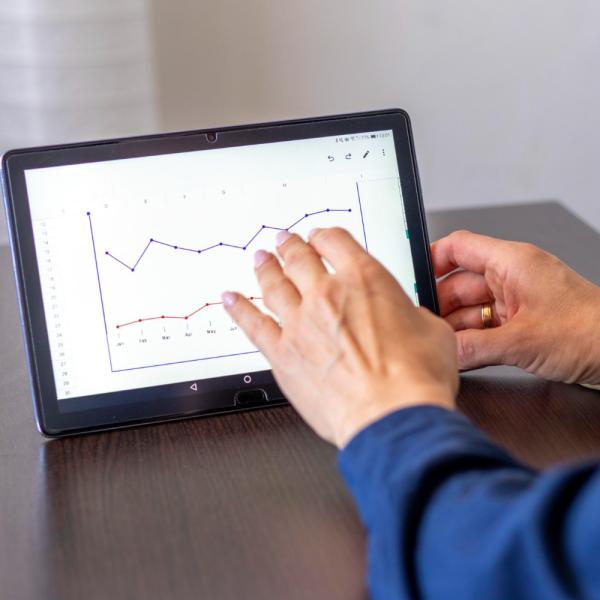
The first 90 days of call tracking gives you a snapshot. The first year gives you something more valuable: a trend line. You can see how your channels are performing over time, whether your marketing investment is growing or shrinking in ROI, and which sources are consistently producing your best clients.
Agents who have a year or more of call data don’t just market better in the present — they plan better for the future. They know which channels to invest in when the market slows, which ones to pull back when budget is tight, and which lead sources produce clients who actually close. That institutional knowledge, built from real data, is a significant long-term advantage.
The agents who treat their business like a business — with real data, real systems, and real feedback loops — are the ones who compound their success over time.
Related: Learn how 800.com supports real estate professionals