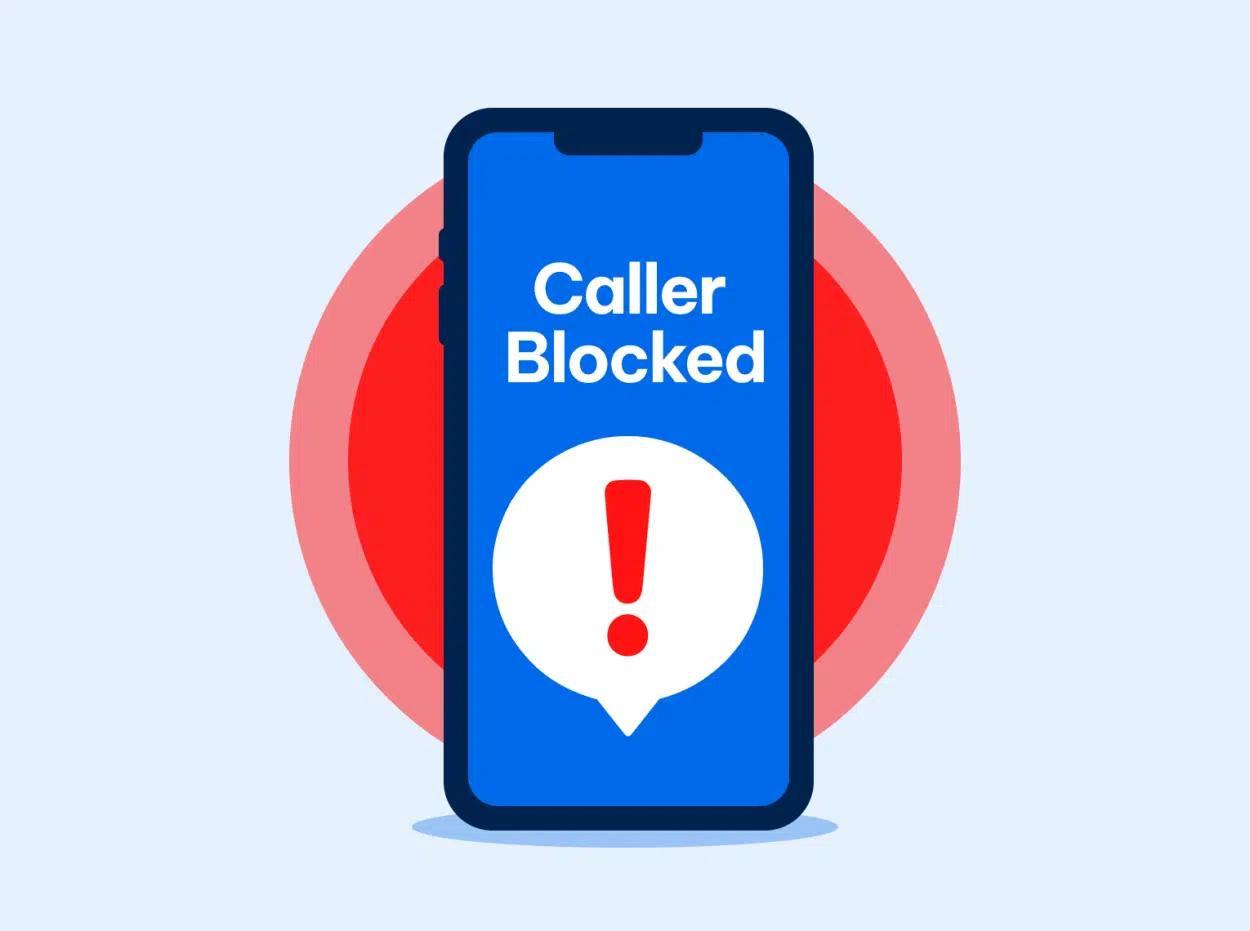

You’re calling customers, but your phone number is likely being flagged as spam. Business calls showing up as spam is becoming a massive problem. This is likely killing your answer rates. Or worse, your calls get blocked completely before they even ring. Sound familiar?
You’re not alone. Legitimate businesses across the country are watching their answer rates plummet as carriers crack down on spam calls. The problem is that automatic filtering systems can’t always tell the difference between a robocaller and your sales team.
Here’s what’s happening, why it’s affecting your business, and most importantly, how to fix it.
In this guide:
- What’s Happening: The Industry Shift
- Why It’s Happening: Behind the Scenes
- How to Fix It: Solutions
- How 800.com Helps
- Glossary: Key Terms Explained
- Contact Us
What’s Happening: The Industry Shift
Americans received over 50 billion spam calls last year alone. That’s why the Federal Communications Commission (FCC) authorized carriers to implement aggressive call blocking technology.
Carriers like AT&T, T-Mobile, and Verizon now use sophisticated filtering systems powered by analytics engines. These systems analyze billions of calls in real time, looking for patterns that match spam behavior.
Here’s where legitimate businesses get caught in the crossfire. If you’re wondering why my call is showing up as spam, you’re asking the right question.
Why It’s Happening: Behind the Scenes
Carrier filtering systems work by tracking your calling patterns and comparing them to known spam behaviors. Think of it as a credit score for your phone number. Carrier call blocking relies on third-party analytics companies like First Orion, Hiya, and Transaction Network Services (TNS) that feed data to the carriers, who then decide whether to let your call through, mark it as “Spam Likely,” or block it outright.
These systems look at several factors:
- Call volume and frequency: Sudden spikes in outbound calls can trigger flags.
- Answer rates: If most of your calls go unanswered or get declined quickly, the system assumes you’re making unwanted calls.
- Consumer complaints: When people mark your number as spam through their carrier apps, that information feeds directly into your reputation score.
- Number age and history: New numbers or recently purchased numbers might inherit negative reputation from previous owners.
- Caller ID information (CNAM): If your caller ID name doesn’t match your business or shows up as “Unknown,” that raises red flags.
Let’s look at what’s actually happening to your calls:
- Outbound scenario: Your sales rep calls a customer. The customer’s carrier checks the reputation of your business number. If the score is low, the call gets blocked entirely, displays “Spam Likely” on the customer’s screen, or goes straight to voicemail without ringing.
- Inbound scenario: A customer tries to call your business. If your system has aggressive spam filters enabled, the call skips your phone and lands in voicemail. You see a missed call. When you try to call back, you might face the same blocking on the outbound leg.
Toll-free numbers (starting with 800, 888, 877, 866, 855, 844, or 833) often face stricter scrutiny because they’ve historically been associated with telemarketing. Local numbers can help you appear more familiar to regional customers, but both types need proper registration and reputation management. Consider having a memorable toll-free vanity number to use on marketing materials, vehicles and signage and then a local number for your reps or in house business line to make outbound calls.
How to Fix It: How to Stop Calls from Being Marked Spam
The good news is that you can take action today to improve your call deliverability.
Step 1: Register with Free Caller Registry
Free Caller Registry is a centralized portal created by the three major analytics providers that support all major U.S. wireless carriers. Registration is completely free and takes about five minutes.
Go to the Free Caller Registry and click “Register Here.” Fill out the form with your business name, website, contact details, and the phone numbers you use for outbound calls. Within three to seven business days, you’ll receive confirmation emails from each analytics provider.
This registration tells the analytics engines that your numbers belong to a legitimate business, not a scammer. This is one of the most effective ways to fix spam likely label issues and improve your call reputation. Keep in mind that registration doesn’t guarantee immunity from spam labels. You still need to maintain good calling practices.
If you need a step by step guide on how to register your number click HERE.
Step 2: Manage Your Reputation with Individual Carriers
Each major carrier offers tools to check and manage how your numbers appear:
- AT&T: Visit the AT&T Call Label Review Tool to request changes to your caller ID information or spam rating.
- T-Mobile: Use the T-Mobile Call Reporting portal to report issues with how your calls are being labeled.
- Verizon: Submit feedback through the Verizon Voice Spam Feedback portal if your legitimate calls are being mislabeled.
Step 3: Check with the FCC Robocall Mitigation Database
The FCC Robocall Mitigation Database helps carriers identify legitimate voice service providers combating illegal robocalls. Visit the FCC Robocall Mitigation Database and check if your voice service provider is listed. If you’re an 800.com customer, we’ve got you covered.
Step 5: Maintain Good Calling Practices
Call during reasonable business hours (generally between 8 AM and 9 PM in the recipient’s time zone). Limit your call frequency to the same number. Always use valid, registered phone numbers. Never use spoofed or fake caller IDs. When people answer, identify your business clearly within the first few seconds.
How 800.com Helps
At 800.com, we understand that when your business number shows up as spam, it can cripple your business. We’re registered with the FCC Robocall Mitigation Database, which means calls from 800.com numbers already have a layer of legitimacy built in.
Our support team can guide you through the Free Caller Registry process and help you manage your caller ID settings. When issues arise, we have established relationships with carrier partners to resolve blocking and labeling issues quickly. We also monitor industry changes so you don’t have to.
If you’re experiencing 800.com spam likely issues or blocked calls, contact our support team through our help desk. We’ll review your account, check your number’s reputation across carriers, and walk you through the steps to fix the problem.
Glossary: Key Terms Explained
- Analytics engine: Third-party companies (First Orion, Hiya, TNS) that analyze call data and provide spam detection services to carriers.
- Caller ID (CNAM): The name that displays on a recipient’s phone when you call. CNAM stands for Calling Name Delivery.
- FCC Robocall Mitigation Database: A federal database that tracks voice service providers who have implemented systems to prevent illegal robocalls.
- Free caller registry: A centralized portal where businesses can register their phone numbers with major analytics providers to establish legitimacy.
- Reputation score: A dynamic rating assigned to phone numbers based on calling patterns and consumer complaints. Lower scores increase the likelihood of blocking or spam labels.
- Spoofing: The practice of displaying a fake or misleading caller ID to deceive recipients. This is illegal under federal law.
- STIR/SHAKN’ Call authentication protocols that verify the caller’s identity and detect spoofed numbers.
- Toll-free number: A phone number beginning with 800, 888, 877, 866, 855, 844, or 833 that allows callers to reach businesses without being charged for the call.
Contact Us
Don’t let spam filters kill your business calls. Register your numbers, monitor your reputation, and maintain professional calling practices.
If you’re an 800.com customer experiencing call deliverability issues, contact our support team, and we’ll work with you to ensure your calls get through every time.