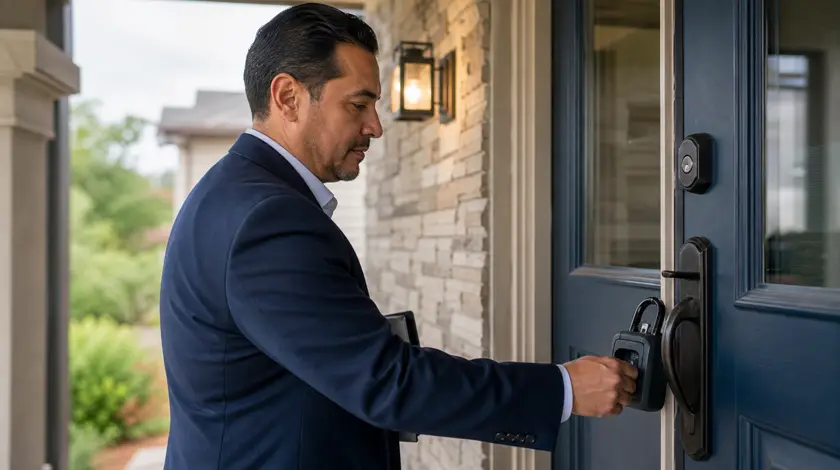

Real estate growth usually breaks in the handoff, not the headline. You can have sharp listings, a clean site, and a referral base that likes you, but if a buyer or seller can’t reach you, can’t remember which agent you were, or waits a day for a callback, the lead cools off before your pitch even starts. Growing the business is mostly about closing those gaps.
Start with the leads you already have
Most agents hear “grow” and think “more marketing”. Sometimes that’s the answer. More often, the leads are already walking in the door and quietly leaking back out.
A seller calls off a yard sign while you’re mid-showing. A buyer asks about a listing at 8 a.m. on Saturday. A past client texts you a friend’s name because that friend just mentioned moving. None of those are abstract opportunities. They’re the moments where your business either feels responsive or feels forgettable, and the caller decides which in about a day.
So before you buy another ad, take an honest look at what’s already happening:
- Which calls you missed
- Which inquiries never got a same-day reply
- Which past clients haven’t heard from you in months
- Which listings drew interest but weak follow-up
- Which referral partners have gone quiet
- Which channels produced conversations, not just clicks
Growth gets a lot easier once you stop treating every lead like a fresh surprise.
Build a referral system that doesn’t live in your head
Referrals are too valuable to leave to memory. A happy client will send people your way, but only if they remember you at the right moment, and that usually happens because you stayed present without being a pest.
Give it a rhythm:
- Send a useful check-in after closing
- Mark home anniversaries on your calendar
- Pass along a market note that actually matters to that client
- Thank a referral source the same day
- Ask for an introduction when the timing genuinely fits
- Track who sends you business, not just who closes
Those last two are often different lists, and both are worth watching.
The classic mistake is waiting until things get slow to start asking. By then the request reeks of need. A better system keeps the relationship warm while it’s still easy to keep warm. Say a buyer closes in spring. Three months later you send a short note with a property-tax reminder or a homeowner maintenance checklist. You’re not asking for a favor. You’re just staying useful, which is what makes the eventual ask feel natural.
Make your local presence easy to trust
Real estate is local, even when the search starts on a phone. Your online footprint has one job: answer whether this person clearly works in my market and can be trusted with a serious move.
Start with your Google Business Profile. Google’s profile guidelines say eligible businesses should represent themselves accurately, use their real-world name, keep their address or service area details correct, and choose categories that describe their core business. For an agent or a team, that means no keyword stuffing and no fake office addresses. The profile should match how a client would actually recognize you around town.
Then tighten the basics everywhere else:
- Use the same name, phone number, and website across profiles
- Post current photos of listings, neighborhoods, and the office
- Keep business hours and service areas accurate
- Ask satisfied clients for reviews when the moment’s right
- Reply to reviews with short, professional replies
- Make your phone number easy to tap from mobile pages
A buyer standing in front of a listing isn’t going to squint for your number. None of this has to be fancy. It has to be clear, up to date, and easy to act on.
Turn every listing into a lead path
A listing isn’t just a property page. It’s a doorway into your business, and most agents leave the door half-shut.
Whether someone finds the place on Zillow, a yard sign, a social post, or a mailer, the next step should be obvious: who to contact, what they can ask, and how fast they’ll hear back. So walk each listing’s path and check it:
- Is the phone number easy to find?
- Does the landing page work on mobile?
- Can the caller reach a real person or a reliable fallback?
- Is there a simple way to book a showing?
- Do you know which channel generated the inquiry?
- Does the follow-up name the property they asked about?
This is where small teams lose the thread. A sign call, a Facebook message, and a website form all land in different places, so follow-up slows down and tracking turns to mush. The fix usually isn’t a bigger CRM. Sometimes it’s one clear number per campaign, one shared lead inbox, and one rule about who responds first.
Answer faster than the market expects
Real estate intent moves fast. A buyer calls between appointments. A seller is comparing three agents that same afternoon. An investor wants a number before they make an offer. You don’t have to be personally reachable every minute, but you do need a plan for the minutes you’re not.
That plan has to cover the times you’re genuinely unreachable:
- Showings
- Open houses
- Evenings
- Weekends
- Team meetings
- Inspections
- Back-to-back client calls
If your fallback is voicemail, you’re handing the caller homework and hoping they do it. A better fallback captures the name, contact details, property interest, timeline, and next step, so your callback opens with context instead of “How can I help you?”
A real estate answering service powered by 800 AI Agents can collect property interests and callback details while you attend showings.
800.com for real estate supports business numbers, call forwarding, call tracking, and AI Agents built for agents and teams. Its AI Agents can answer calls when you’re busy, collect lead details, handle common questions, help book appointments when connected to your scheduling, and transfer urgent calls based on the rules you set. That matters because this job is inherently mobile. You might be in a driveway, at an inspection, or sitting across a kitchen table from a seller, and the caller on the other line still needs a professional next step.
Match the follow-up to the lead
Not every lead deserves the same follow-up. A seller wanting a valuation needs a different response than a buyer asking about one condo. A referral from a past client needs a different touch than a cold portal lead. So build a few simple tracks and let the lead type pick the lane.
| Lead type | First response | Next step |
| Seller lead | Confirm the address, timeline, and reason for moving | Offer a pricing conversation or a home value review |
| Buyer lead | Confirm budget, area, timing, and financing status | Send matching listings or book a consultation |
| Listing inquiry | Confirm the property they asked about | Offer showing times and a few similar listings |
| Past client referral | Thank the referrer and reach the new lead quickly | Circle back to the referrer once you’ve made contact |
| Open house visitor | Send the details and ask one useful question | Sort into buyer or seller follow-up based on intent |
| Investor lead | Confirm criteria, price range, and how they decide | Send relevant deals or schedule a call |
A generic “just checking in” is easy to ignore. A message that names the property, the timing, and the next decision is a lot harder to swipe away.
Track which channels create real conversations
Marketing dashboards can make a weak channel look busy. Clicks, impressions, and views have their place, but for real estate, the sharper question is which channels get qualified buyers and sellers to actually talk to you.
So track the calls and conversations coming from:
- Yard signs
- Listing pages
- Google Business Profile
- Paid search
- Social posts
- Direct mail
- Referral partners
- Open house materials
- Past-client campaigns
If every source shares one number and every note scatters to a different inbox, you’ll never know what’s carrying its weight. Assign tracking numbers or source tags where it makes sense, then look at which conversations turned into appointments, listing presentations, buyer consults, or referrals. The goal isn’t fancier reporting. It’s to stop pouring money into channels that look active but never put a serious client on the phone.
Keep past clients inside the business
A client shouldn’t vanish the day after closing. They may buy again, sell in a few years, refer a friend, ask you for a contractor, or want a read on the local market. Give them a light plan:
- Send a short check-in after move-in
- Mark the closing anniversary
- Share useful homeowner reminders
- Send market updates only when they’re genuinely helpful
- Ask for a review at the right moment
- Make it easy to refer a friend
This doesn’t have to become a newsletter factory. A thoughtful note twice a year does more than a constant drip of generic market noise nobody opens.
Make your business easy to recommend
People refer the agents they can describe in one sentence. If your brand sounds like every other agent in the county, your clients and partners have to work too hard to explain what you do, so they don’t. Make the referral sentence obvious:
- “She helps first-time buyers in North Austin understand the process before they make an offer.”
- “He works with downsizing sellers who need a clear prep and pricing plan.”
- “They help investors find rentals near the university.”
That kind of positioning travels, and it also tells you which content, partnerships, and listings are worth your hours.
Grow by tightening the next step
Growing a real estate business isn’t really about chasing more attention. It’s about building a cleaner path from interest to conversation to follow-up: work the leads you already have, make your local presence easy to trust, turn every listing into a clear lead path, answer faster than expected, track the conversations that count, and keep past clients close.
800.com can help agents and teams put professional numbers, call tracking, and AI Agents to work so more inquiries get caught when the job pulls you away from the phone. Build a phone setup where every serious buyer, seller, and referral lands on a clear next step, and growth stops leaking out the side door.